Antoine Mauriac
Antoine Mauriac is the husband of Vianne Mauriac and the father of their daughter, Sophie. His mobilization at the outbreak of World War II and subsequent long captivity as a prisoner of war create the central absence that defines Vianne's experience of the German occupation, and his eventual return, deeply changed, forces the couple to confront the war's lasting damage to their marriage and to themselves.
Identity and Background
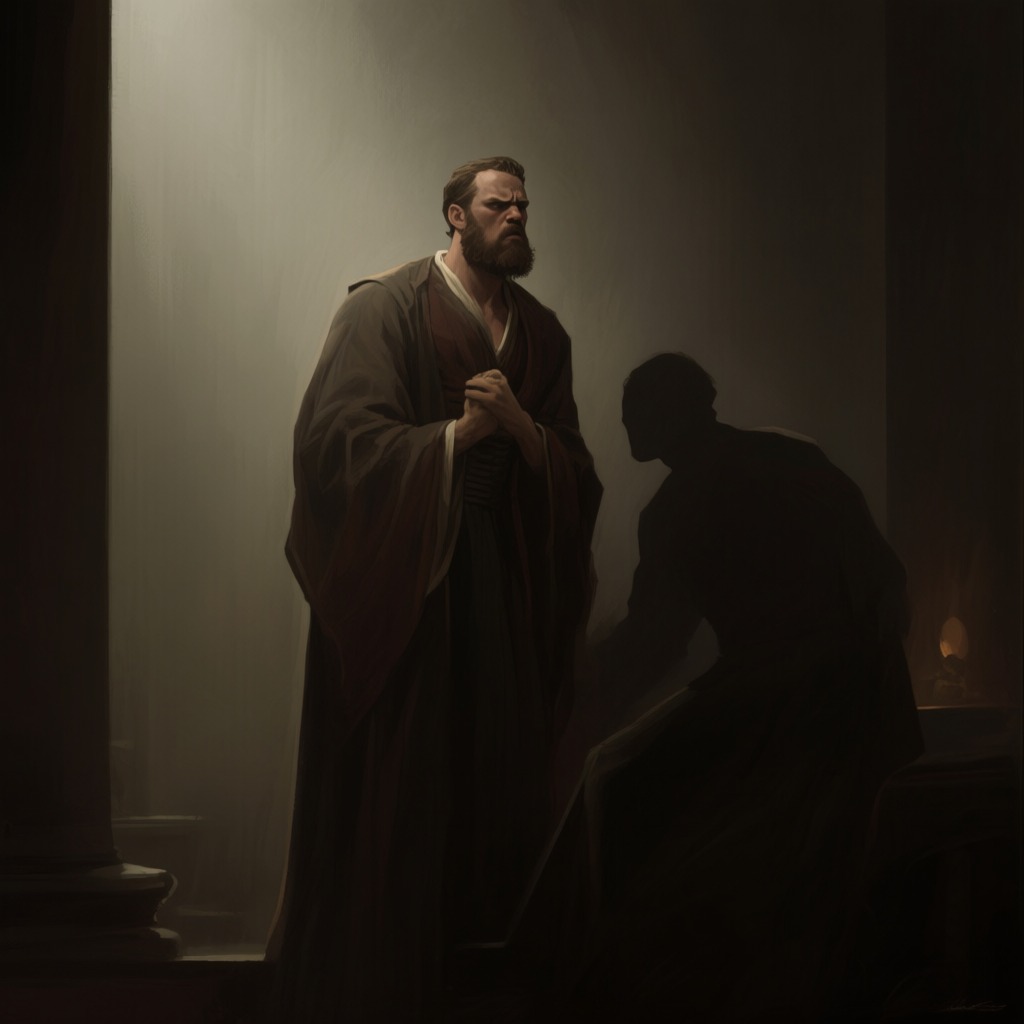
Antoine is introduced as a big man, tall and broad-shouldered, with pomaded black hair and a rough face shadowed by a dark stubble. He works as a postman and is a skilled woodworker, spending his spare time sanding furniture until it is "as soft as satin." He is deeply in love with his wife, Vianne, whom he met on the school play yard when she was fourteen. He became her first everything—first kiss, first love, first lover—and he saved her from the grief and abandonment she suffered after her mother's death and her father's rejection. When Vianne became pregnant at sixteen, Antoine pushed her father back and declared, "I'm going to marry her," securing Le Jardin as their home. He is a devoted father who makes Sophie a crown of daisies and pushes her on the swing he built for her. His love for his family is the truest fact of Vianne's world.
Mobilization and Captivity
On a beautiful summer day in August 1939, Antoine reveals to Vianne that he has been mobilized along with most men between eighteen and thirty-five. He is to report for duty on Tuesday. Despite Vianne's desperate hope that the Maginot Line will hold and he will be home by Christmas, he is sent to the front. Before leaving, he takes all their money—sixty-five thousand francs—out of the bank and hides it in the mattress, telling Vianne to use it wisely. At the train station, he promises Sophie he will come home, but the iron gates of the military camp slam shut behind him. Vianne later learns from Captain Wolfgang Beck, the German officer billeted in her home, that Antoine has been captured and is a prisoner of war in an Oflag in Germany. Beck arranges for a letter from Antoine to reach Vianne, in which Antoine writes that he is unhurt, has claimed an upper bunk in the barracks, and dreams of her cooking and of Sophie. He asks her to send his hunting gloves, as the winters are cold. This letter becomes a lifeline for Vianne, a tangible proof that he is alive.
Return and the Struggle to Reconnect
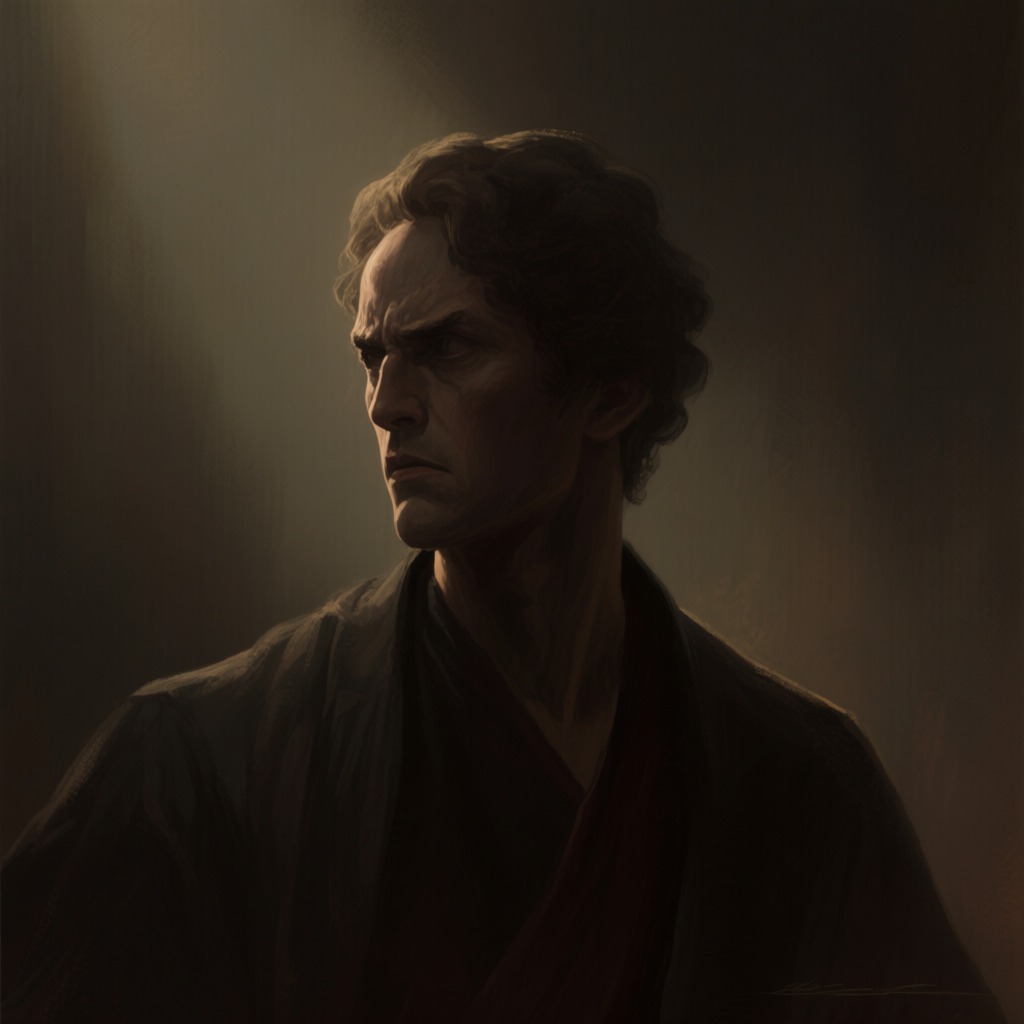
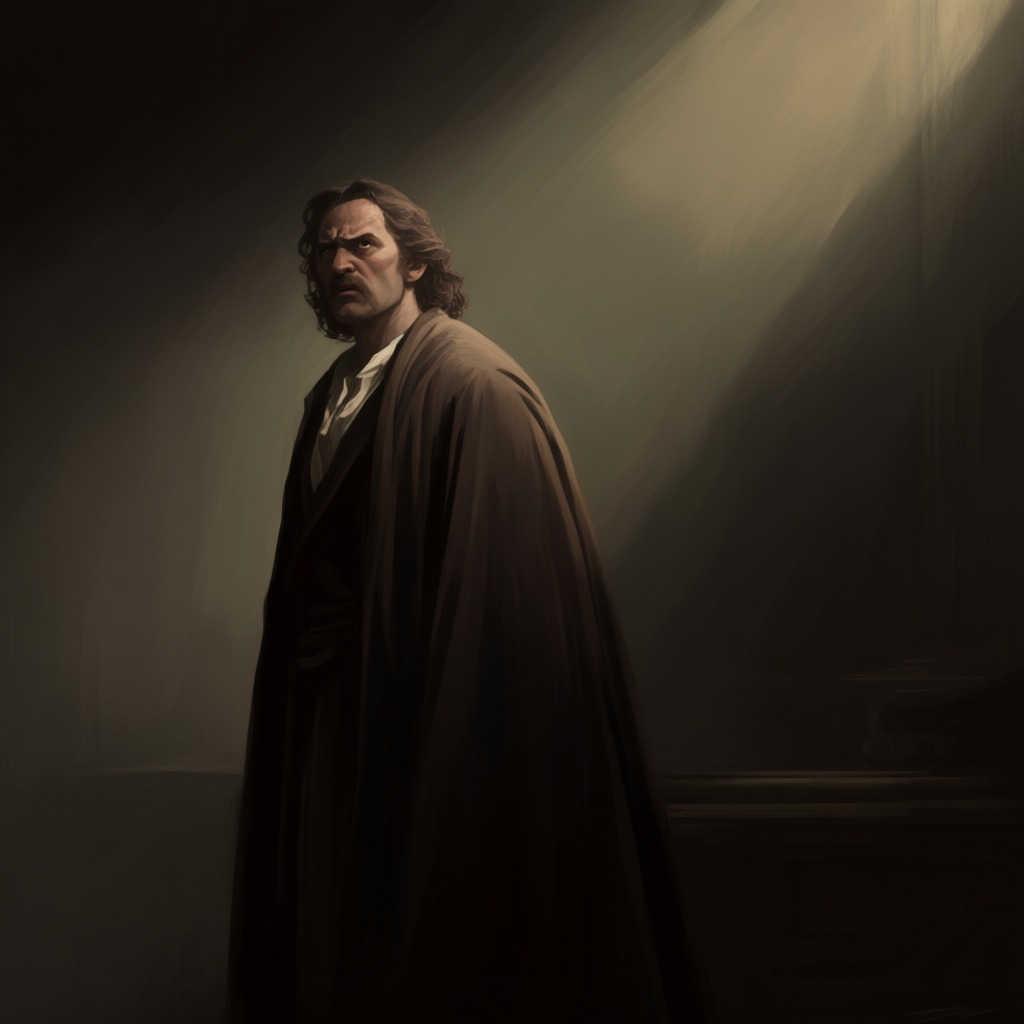
Antoine returns to Le Jardin in the autumn of 1944, having escaped from the prisoner of war camp. He is profoundly changed: his face has sharpened, his hair has gone gray, he is terribly thin, and his left arm hangs at an odd angle, badly broken and poorly reset. He is covered in red, slashing scars that look like whip marks. He jumps at every sound and flinches when touched. He hunches over his food and wraps his arms around his plate, eating as if the meal is a timed event. Vianne sees him as a stranger. The war lies between them at night. When they finally come together, Vianne feels nothing at all. She is carrying the child of Sturmbannführer Von Richter, the SS officer who raped her repeatedly, but she cannot bring herself to tell Antoine the truth. Instead, she tells him the baby is his, conceived on his first night home. Antoine, seeing her fear, chooses to believe her, saying, "I know why you look so afraid, but don't worry, V. We won't lose this one. Not after all of this. It's a miracle." He tells her, "It's not forgetting we need, Vianne. It's remembering." This act of willful belief and love becomes the fragile foundation on which they begin to rebuild their life together.
Relationships and Conflict
Antoine's relationship with Vianne is the emotional core of his story. His absence forces her to become a person she never thought she could be, making choices—from collaborating with Beck to killing him to hiding Jewish children—that she cannot fully share with him. His return is not a simple happy ending but the beginning of a painful reckoning. He must accept a wife who has been raped and a son who is not his own, and she must accept a husband who is a shadow of the man she married. Their love is tested not by separation but by the secrets and scars the war has left on both of them. His relationship with Sophie is also strained; she has grown up in his absence, becoming a solemn, angry young woman who has witnessed death and degradation. Antoine's return offers the possibility of a restored family, but only if they can all find a way to remember the love that existed before the war, rather than being consumed by the horrors that followed.
Change and Ending
Antoine's character arc is one of survival and the struggle for reintegration. He escapes a brutal captivity by deciding he would rather be shot running home than tortured to death. He returns physically broken and psychologically scarred, but he retains his capacity for love and his commitment to his family. He builds a cradle for the baby, organizes a family performance with Sophie and Daniel, and tries to create moments of ordinary joy. He chooses to believe Vianne's lie about the baby's paternity, not out of naivety but out of a profound understanding that their survival depends on moving forward together. In the novel's present-day frame, Vianne reflects that Antoine was Julien's father "in every way that mattered," affirming that his love, not biology, defined his fatherhood. He is the man who helped her heal, who made her a family again with Sophie and their new son, Julien. His story is not one of heroic action on the battlefield but of the quiet, difficult heroism of returning home and choosing to love again.